


Table of Contents
Over the last few years, beta-caryophyllene has quietly moved from a niche botanical curiosity into a mainstream wellness conversation across Canada and beyond. People are asking sensible questions before they try something new, and one of the most common searches is about BCP side effects. This curiosity is a good sign. It means folks are being thoughtful about what they put into their bodies rather than jumping on a trend without doing their homework. In this guide, we will walk through what beta-caryophyllene actually is, how it behaves once it enters the body, where it naturally shows up in everyday plants, and, most importantly, what reactions or sensitivities have actually been reported. By the end, you should have a clear, balanced picture rather than vague marketing promises.
What Is Beta-Caryophyllene (BCP)?
Beta-caryophyllene sits in an unusual spot between two categories of plant chemistry. It behaves like a terpene, an aromatic molecule responsible for the sharp scent of black pepper or the woodsy smell of hops, while also acting somewhat like a cannabinoid because of how it interacts with receptors in the body. This dual identity is part of why researchers and wellness brands alike have taken such a keen interest in this particular molecule over the past decade. As interest grows, understanding BCP side effects is equally important, helping users make informed decisions about safe and responsible use.
Unlike THC, the compound most people associate with cannabis, beta-caryophyllene does not bind strongly to CB1 receptors in the brain, which means it will not produce a euphoric or intoxicating sensation. Instead, BCP tends to favour CB2 receptors, which are found throughout the immune system and peripheral tissues rather than concentrated in the central nervous system. This distinction matters a great deal for anyone weighing whether a natural compound might fit into their daily routine without altering their mental clarity.
How BCP Interacts With the Body
Once ingested or applied, BCP travels through the bloodstream and engages with the body’s endocannabinoid system, a regulatory network that helps manage everything from mood to immune response. Because it leans toward CB2 activity, many people report a sense of calm or physical ease without the grogginess sometimes associated with other botanical extracts. This receptor preference is also the reason the compound has attracted attention from researchers studying discomfort and general wellness support.
Where Is BCP Found in Nature?
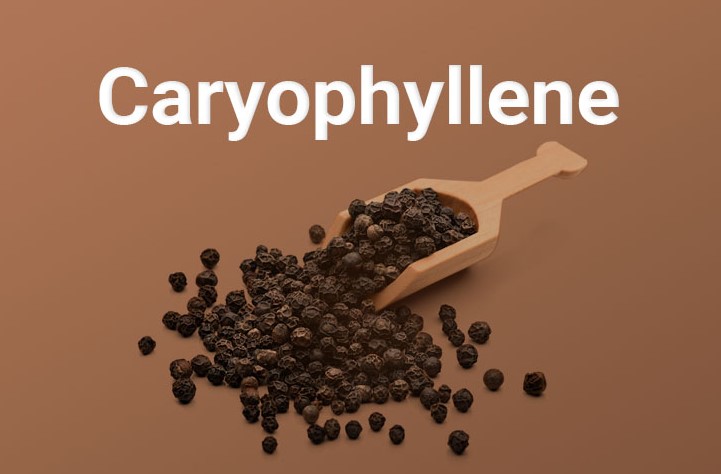
Beta-caryophyllene is far from a rare laboratory creation; it occurs naturally in a long list of plants that most Canadians already keep in their kitchen cupboard. Black pepper, cloves, basil, oregano, rosemary, cinnamon, hops, and lavender all contain measurable amounts of this compound, which explains why it has been part of traditional cooking and folk remedies for generations. It is also present in cannabis, a fact that has led to frequent comparisons with cannabidiol, better known as CBD, since both share overlapping wellness reputations without producing a high.
This widespread presence across common herbs and spices is one reason people feel comfortable exploring BCP supplements. The compound is not some exotic synthetic additive; it is something our ancestors have been consuming in small doses through food for centuries, long before anyone had identified or named the molecule itself.
What Are the Possible BCP Side Effects?
This is the section most readers came here for, so let us address it directly. Current research and consumer reporting suggest that beta-caryophyllene has a favourable safety profile overall, and serious side effects have not been widely documented in the available scientific literature. That said, no natural compound is entirely without the possibility of an individual reaction, and it is worth understanding the handful of mild issues that have occasionally been noted by users and clinicians.
Mild Skin Irritation
The most frequently reported reaction involves the skin, particularly among people using topical oils, balms, or ointments containing BCP rather than oral capsules. Those with naturally sensitive skin or existing allergies to botanical extracts may notice redness, mild itching, or a warm sensation at the application site. This is generally temporary and tends to resolve once the product is discontinued, but a patch test on a small area before full application is a sensible precaution for anyone trying a new topical formula for the first time.
Digestive Sensitivity
A smaller number of users have mentioned mild stomach upset, particularly when beta-caryophyllene is taken orally on an empty stomach or in higher-than-recommended amounts. Taking the supplement alongside a meal often reduces this kind of sensitivity, and starting with a lower dose before working up to the suggested serving size tends to be a practical way to gauge personal tolerance.
Interaction With Medications
Because BCP engages with the body’s receptor systems, there is a theoretical possibility that it could interact with certain prescription medications, particularly those metabolized through similar pathways in the liver. Anyone currently taking prescription drugs, especially for blood pressure, anxiety, or pain management, should have a conversation with a physician or pharmacist before adding a new botanical supplement to their regimen, simply as a matter of good practice.
Allergic Reactions
True allergic responses to beta-caryophyllene appear to be uncommon, but anyone with known sensitivities to black pepper, cloves, or other plants rich in the compound should proceed cautiously. Symptoms such as hives, swelling, or difficulty breathing would warrant immediate medical attention rather than simply discontinuing use and waiting to see what happens.
Is BCP Considered Safe? What the Research Shows
Regulatory recognition offers a useful benchmark when evaluating any natural compound, and beta-caryophyllene has already cleared a meaningful bar. The compound has received a Generally Recognized As Safe designation from American food safety authorities following an extensive scientific review process, meaning it is permitted for use in food and supplement products under specified conditions. While this regulatory status supports its general safety when used as intended, understanding beta-caryophyllene side effects is still important, as individual responses may vary depending on factors such as dosage, product quality, and personal sensitivity.
Toxicity Research on BCP
A notable study examining oral toxicity administered high doses of beta-caryophyllene to laboratory mice, reaching amounts far beyond what any person would realistically consume through a standard supplement. Even at these elevated levels, researchers did not observe significant changes in body weight, appetite, or key biological markers such as bloodwork and organ function. While results in mice do not translate perfectly to human biology, findings like this offer reassurance that the organic compound does not appear to carry a meaningful risk of toxicity when used at sensible, recommended amounts.
It is also worth noting that most of the historical human exposure to this molecule has come through diet, since herbs like rosemary and oregano have been consumed in meals for thousands of years without any documented pattern of harm, which adds a layer of practical, real-world context to the laboratory findings.
Tips for Using BCP Safely
Anyone considering adding a beta-caryophyllene product to their routine can reduce the likelihood of an unwanted reaction by taking a few sensible steps. Starting with a smaller serving size than the label recommends allows the body time to adjust before increasing to a full dose. Reading the ingredient list carefully matters too, since some formulations combine BCP with other botanicals or carrier oils that could independently trigger sensitivity in certain people. Storing products away from direct sunlight and heat helps preserve potency, and checking with a healthcare provider before combining BCP with existing medication remains a wise habit rather than an optional extra. Patience also plays a role, since natural compounds often work gradually rather than producing an immediate, dramatic effect the very first time they are used.
Final Thoughts
Beta-caryophyllene continues to earn its growing reputation as a gentle, plant-derived option for people looking to support their overall wellness without the intoxicating effects associated with other cannabis-related compounds. The available research, including regulatory recognition and toxicity studies, points toward a compound with a strong safety margin, and the handful of mild reactions that have been reported are generally manageable with basic precautions. As always, individual biology varies, so paying attention to how your own body responds remains the most reliable guide.
Frequently Asked Questions
Is BCP the same thing as CBD?
No. Beta-caryophyllene (BCP) is a terpene with cannabinoid-like properties, while CBD is a cannabinoid. Both are non-intoxicating and interact with the endocannabinoid system, but they are different compounds with unique benefits.
Can BCP cause drowsiness?
BCP is not commonly associated with drowsiness because it mainly interacts with CB2 receptors. Some people may experience mild relaxation, but significant sedation is uncommon.
How long does it take to notice BCP side effects if they occur?
If side effects such as mild digestive discomfort or skin irritation occur, they usually appear within a few hours. Starting with a small amount can help you monitor your body’s response.
Is it safe to combine BCP with other supplements?
BCP is generally considered safe to use with many supplements. However, if you take prescription medications or multiple supplements, consult a healthcare professional before use.
Are children or pregnant individuals safe to use BCP products?
Research on BCP use during pregnancy, breastfeeding, or in children is limited. It is best to consult a healthcare provider before using BCP products in these situations.
Does BCP show up on a drug test?
BCP itself does not trigger standard drug tests because it is not THC. However, cannabis-derived products may contain trace cannabinoids, so always review the ingredient list carefully.
At RHS Formula, informed customers make the best decisions about their wellness routines, which is why transparency around research and realistic expectations matters more than flashy claims. If you are curious about trying a BCP-based product, take the time to review ingredient sourcing, start with a conservative dose, and speak with a healthcare professional if you have any underlying health conditions or take regular medication. Explore our range of thoughtfully formulated BCP products today and take the next step toward a wellness routine built on genuine research rather than guesswork.