

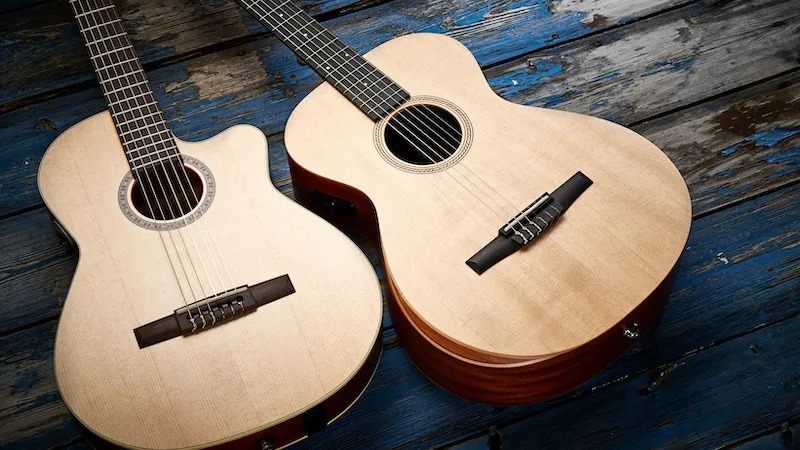
Crafting a remarkable instrument begins with selecting exceptional tonewoods. Whether you are an experienced luthier or an enthusiastic builder starting your first project, choosing the right guitar back and sides for sale can significantly influence tonal depth, projection, and visual character. From traditional favourites to exotic hardwoods, premium back and side sets shape the personality of every acoustic guitar.
Table of Contents
High-quality tonewoods not only enhance sound but also provide structural stability and aesthetic appeal. When sourced responsibly and seasoned properly, they deliver consistency and long-term performance. In this guide, we explore how to select the ideal materials, understand their tonal properties, and make informed purchasing decisions.
Why Guitar Back and Sides Matter
The back and sides of a guitar play a critical acoustic role. While the top drives much of the vibration, the body reflects and shapes those sound waves. Choosing the right guitar back and sides tonewood ensures clarity, sustain, warmth, and balance across frequencies.
Dense hardwoods such as rosewood produce deep bass and sparkling highs, while mahogany emphasizes midrange warmth. Maple, on the other hand, offers bright articulation and strong note separation. Each wood species contributes uniquely to the overall voice of the instrument.
The Science Behind Tonewood Selection
Tonewood density, grain structure, stiffness, and internal damping affect resonance. Builders carefully examine grain tightness, quarter-sawn orientation, and moisture content to ensure stability. Properly cured sets reduce the risk of warping and cracking over time.
Reputable suppliers like Pacific Rim Tonewoods understand the importance of precision milling and ethical sourcing of premium tonewoods. Their selection process ensures each set meets the standards required by professional builders and boutique guitar makers.
Exploring Popular Tonewood Options
Different genres and playing styles often call for specific tonal characteristics. Whether you’re building a fingerstyle guitar or a powerful dreadnought, the wood choice matters.
Koa: Beauty and Balance
Hawaiian koa is known for its stunning figure and balanced tonal response. A koa guitar back and sides set offers bright clarity when new, gradually warming as the instrument ages. Its midrange sweetness and striking grain patterns make it a favorite among custom builders.
Koa also responds dynamically to player touch, making it ideal for expressive performers. Beyond its sonic attributes, its visual appeal elevates the instrument into a functional work of art.
Rosewood: Depth and Projection
Rosewood has long been associated with rich overtones and strong low-end response. Its reflective properties contribute to complex harmonics, making it suitable for recording and live performance alike.
Mahogany: Warm and Focused
Mahogany delivers a woody, fundamental tone with excellent note definition. It is particularly valued for blues, folk, and roots music due to its controlled resonance and strong midrange presence.
Choosing the Right Acoustic Set
Investing in a quality acoustic guitar back and sides set means looking past appearance alone. Builders should prioritize structural stability, balanced grain orientation, and professional sanding to ensure a flawless fit during construction.
Climate considerations are equally important. Wood that has been properly dried and stored in controlled environments will perform better during construction and throughout the instrument’s lifespan.

What to Look for When Buying
Purchasing quality guitar back & sides requires attention to craftsmanship and supplier reputation. Look for:
- Straight, even grain patterns
- Minimal defects or knots
- Properly quarter-sawn orientation
- Accurate thickness dimensions
- Clear grading transparency
A reliable supplier should provide detailed descriptions and images, helping builders make informed decisions without uncertainty.
Sustainability and Ethical Sourcing
Responsible forestry practices protect valuable hardwood species for future generations. Certified suppliers of guitar back & sides tonewood prioritize sustainability and comply with international trade regulations. This ensures both environmental responsibility and legal compliance while supporting long-term availability of premium materials for guitar builders.
Pacific Rim Tonewoods emphasizes ethical sourcing and traceability, helping builders feel confident about the materials they use.
Enhancing Tone Through Wood Pairing
While the focus may be on the body wood, pairing back and sides with the right soundboard enhances tonal harmony. Spruce tops often complement rosewood for dynamic range, while cedar pairs beautifully with mahogany for warmth and responsiveness.
Understanding these combinations allows builders to craft instruments tailored to specific playing styles and tonal goals.
Visual Appeal and Customization
Beyond tone, aesthetic considerations influence buyer decisions. Figured woods such as curly maple or flamed koa create visually striking guitars. Builders may choose natural finishes to highlight grain patterns or opt for custom stains that enhance character without compromising resonance.
Premium sets are typically bookmatched, creating mirrored grain patterns across the back. This symmetry adds elegance and professional appeal.
Storage and Care Before Building
Proper storage ensures that tonewood maintains structural integrity. Keep sets in stable humidity conditions between 40–50 percent. Avoid rapid temperature fluctuations that may cause cracking or warping.
Allow wood to acclimate to your workshop environment before beginning construction. This step minimizes stress during bending and shaping.
Working with Trusted Suppliers
Selecting a reputable source for guitar back and sides for sale ensures consistent quality. Experienced suppliers grade their tonewoods accurately and provide guidance tailored to your project.
Pacific Rim Tonewoods has built a reputation for supplying high-grade sets that meet the expectations of professional luthiers and passionate hobbyists alike. Their expertise supports builders seeking reliability and tonal excellence.

Ready to upgrade your next build? Discover premium, responsibly sourced tonewoods at Pacific Rim Tonewoods. Explore expertly crafted sets designed for superior tone and beauty. Shop Now and find the perfect match for your next guitar project today.
Conclusion
Choosing the right tonewood is one of the most important decisions in guitar building. From tonal richness to structural stability and visual beauty, the back and sides define much of the instrument’s character. Whether you prefer koa’s elegance, mahogany’s warmth, or rosewood’s depth, investing in premium materials ensures long-term performance and satisfaction.
By sourcing responsibly harvested, properly seasoned sets from trusted suppliers, builders can create instruments that resonate with clarity and craftsmanship. Explore high-quality guitar back & sides options today and transform your next project into a truly exceptional guitar.
Frequently Asked Questions
What makes quality guitar tonewood important for back and sides?
Quality tonewood affects resonance, sustain, and overall tonal balance. Properly seasoned hardwood ensures durability, stability, and consistent sound performance over time.
How does koa compare to rosewood in sound?
Koa offers balanced mids and bright clarity that warms with age. Rosewood typically delivers deeper bass and complex overtones, making it ideal for fuller tonal projection.
What should I check before purchasing a tonewood set?
Examine grain consistency, dryness, thickness accuracy, and supplier transparency. Proper grading and ethical sourcing are also important factors to consider.
Can beginners build guitars using premium sets?
Yes, beginners can work with high-grade sets if they follow proper construction techniques. Investing in quality materials often results in better learning outcomes and improved final sound.
How should tonewood be stored before use?
Store tonewood in a humidity-controlled environment between 40–50 percent. Allow it to acclimate to your workspace before bending or assembling to prevent structural issues.