

- What Does Dental Crowding Mean?
- How Invisalign Moves Crowded Teeth
- How Does Treatment Create Enough Space?
- Why Attachments May Be Part of Your Plan
- What Determines Whether Invisalign Is Suitable?
- Can Invisalign Treat Severe Crowding?
- When Might Braces Be Recommended Instead?
- How Long Does Treatment Take?
- What Does Daily Treatment Require?
- Protect Your Teeth and Gums During Alignment
- What Should You Compare Before Starting?
- Conclusion
- Frequently Asked Questions
Crowded teeth can overlap, twist, or sit behind neighboring teeth. You might notice them in photographs or struggle to clean certain spaces.
Invisalign can address many crowding cases by gradually moving teeth through a planned series of clear aligners. However, suitability depends on more than how crooked your smile looks.
Your bite, gum health, available space, and required movements all influence treatment. Understanding these factors helps you compare options and prepare for a useful consultation.
What Does Dental Crowding Mean?
Dental crowding happens when teeth lack enough room to sit in an appropriate arrangement. Some may rotate or overlap as they compete for space.
Crowding can affect the upper teeth, lower teeth, or both. It may involve a small overlap or several displaced teeth.
The visible appearance does not tell the whole story. Your dentist also considers how your upper and lower teeth meet.
If you are consulting an Invisalign dentist in Agoura Hills, explain what bothers you most. Mention difficult cleaning areas, previous braces, and any changes you have noticed.
These details help connect your concerns with the clinical examination.

How Invisalign Moves Crowded Teeth
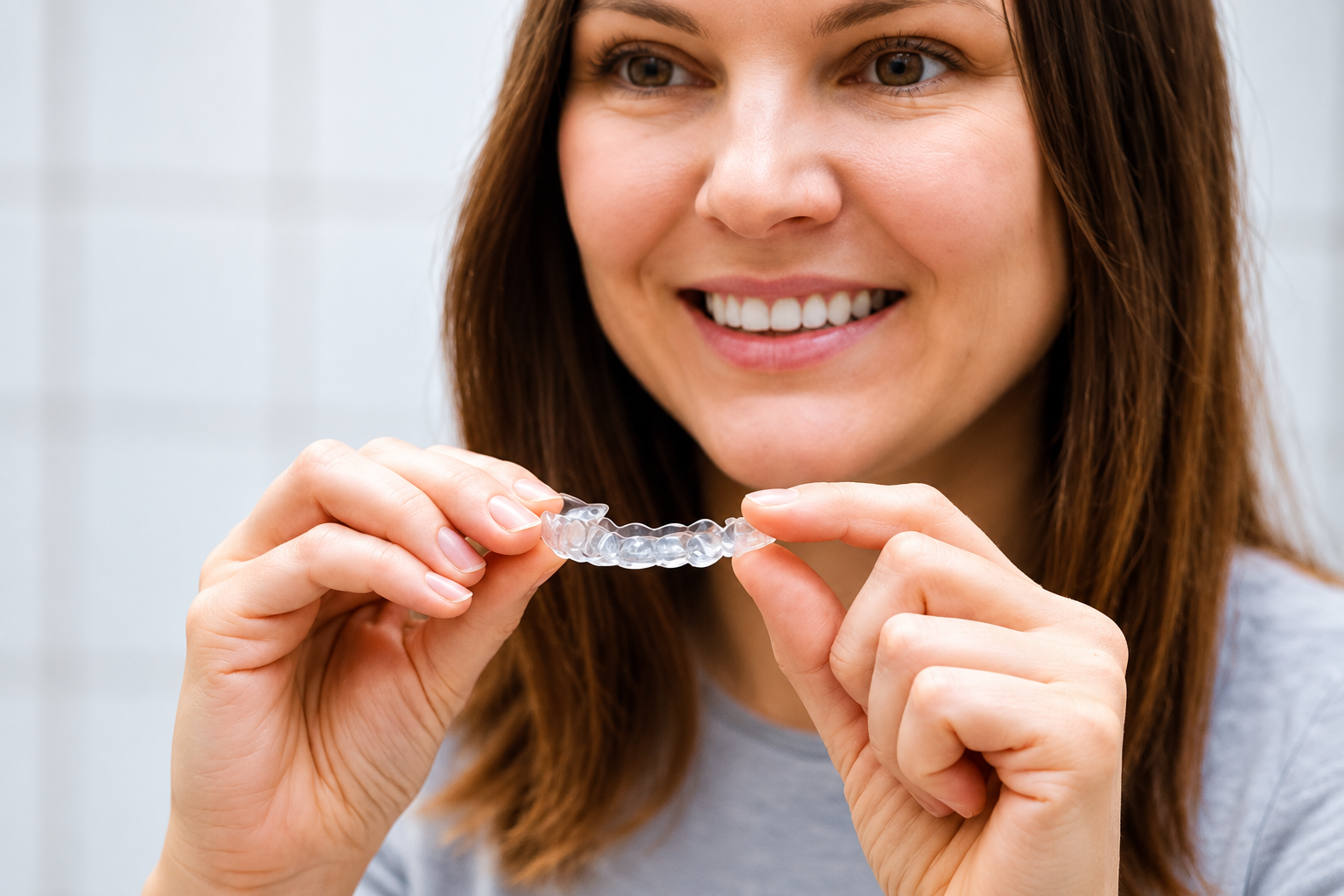
Invisalign uses custom-made removable trays that fit over your teeth. Each tray applies pressure to guide selected movements.
You progress through the prescribed series according to your provider’s instructions. Treatment gradually changes tooth positions rather than simply covering their appearance.
The movement sequence matters. A tooth may need space created before it can rotate or move into line.
Your provider plans these steps using records of your teeth and bite. Regular assessments help check whether movement follows the plan.
Clear aligners are an established treatment option for crowding. However, some movements may be managed more predictably with braces or combined approaches.
How Does Treatment Create Enough Space?
Aligners cannot solve crowding without a plan for available space. The appropriate approach depends on your anatomy and treatment goals.
Your provider may reposition teeth within suitable limits. Some plans involve moving selected teeth backward or changing the arrangement of the dental arch.
Other cases may involve interproximal reduction, often called IPR. This removes a carefully controlled amount of enamel between selected teeth.
IPR creates small spaces that can support alignment. It is not required for everyone and should be explained before treatment.
Some patients may need extractions or additional orthodontic procedures. Never assume that Invisalign automatically avoids every extraction.
Ask how space will be created in your case. You should understand each recommended step before agreeing to it.
Why Attachments May Be Part of Your Plan
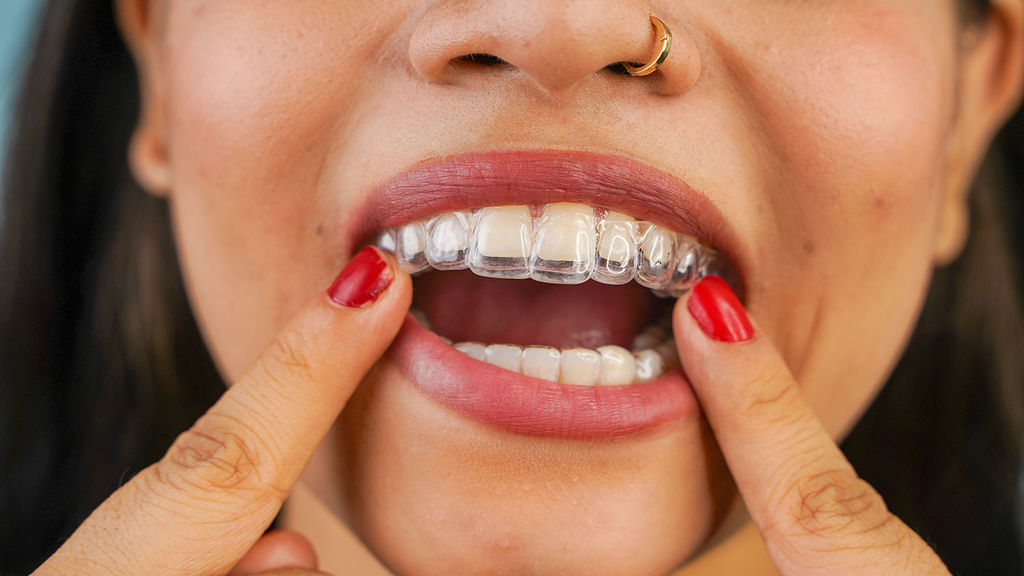
Clear aligner treatment sometimes includes small tooth-colored attachments bonded to selected teeth. These provide surfaces that help aligners apply planned forces.
Attachments may assist with rotations and other movements needed to address crowding. Their number and placement depend on the treatment.
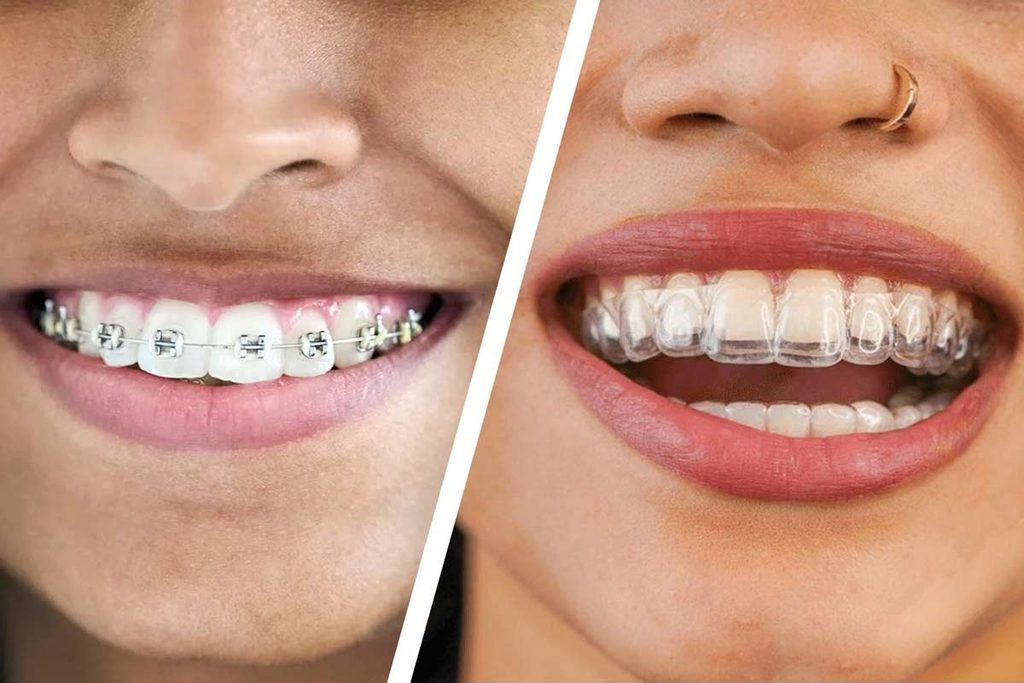
They are different from traditional brace brackets. However, they can make treatment more noticeable than photographs of plain trays suggest.
Ask whether attachments or elastics are expected. Understanding these details gives you a more realistic picture of everyday treatment.
Their appearance should be discussed alongside their purpose. A discreet treatment still needs the features required to move teeth appropriately.
What Determines Whether Invisalign Is Suitable?
Crowding severity matters, but it is only one consideration. Your provider must assess the entire mouth.
A consultation may consider:
- The amount and location of crowding.
- Rotated teeth and the movements needed.
- How your upper and lower teeth meet.
- Gum health and support around the teeth.
- Existing decay, restorations, or missing teeth.
- Your ability to follow the prescribed wear schedule.
Photographs alone cannot answer all these questions. Appropriate examinations and records help your provider identify limitations.
When comparing Invisalign in Agoura Hills, ask why aligners are recommended for your particular needs. Request an explanation of reasonable alternatives.
At Agoura Advanced Dentistry, the Invisalign page identifies crowding among the concerns assessed for treatment. It also acknowledges that complex cases may require traditional orthodontic care.
Can Invisalign Treat Severe Crowding?
Some complex crowding cases can be treated with Invisalign. However, severe crowding does not guarantee either acceptance or rejection.
The difficulty depends on the required movements and associated bite problems. Provider experience and supporting procedures also influence planning.
Your case may need attachments, elastics, additional space creation, or specialist assessment.
Ask what makes your case straightforward or complex. Also ask which parts of treatment could be less predictable.
A balanced consultation should explain the expected benefits and practical limitations. Avoid choosing treatment solely because an online example resembles your teeth.
When Might Braces Be Recommended Instead?
Braces may be recommended when they offer better control for the planned movements. They may also suit patients who struggle with removable appliances.
Aligners depend on consistent wear. Braces remain attached, although they still require cooperation and careful cleaning.
Some patients need a combination of approaches. Others benefit from an orthodontist’s assessment before making a decision.
Referral does not mean your crowding cannot be treated. It means the plan may require specialist evaluation or different tools.
Ask how each option addresses your bite and alignment. Comfort, appearance, cost, and daily responsibilities should all enter the discussion.
How Long Does Treatment Take?
There is no single timeline for crowded teeth. The required movements and your response to treatment affect duration.
A minor overlap and a complex bite correction involve different demands. The initial estimate should reflect your own examination.
If you are wondering how long does Invisalign take, ask what could change the projected completion date.
Missed wear time, delayed appointments, or additional aligners may affect progress. Refinement aligners can be used to address remaining movements.
An estimate should therefore include the possibility of adjustments. A digital preview illustrates the plan but cannot guarantee the exact outcome or timing.
What Does Daily Treatment Require?
Removable trays offer flexibility, but that flexibility comes with responsibility. Build a routine that supports the prescribed wear schedule.
Practical habits include:
- Wear aligners for the hours your provider recommends.
- Remove them for meals and drinks other than plain water.
- Clean your teeth before reinserting trays whenever possible.
- Clean aligners using the recommended method.
- Store removed trays in their case.
- Attend reviews and report fit problems promptly.
Do not change trays early because treatment seems slow. Follow your provider’s instructions about when to move forward.
If a tray stops fitting properly, contact your dental team. Avoid forcing a change without guidance.
Protect Your Teeth and Gums During Alignment
Straightening teeth does not replace preventive dental care. Existing decay and gum problems need attention before treatment proceeds.
Continue brushing with fluoride toothpaste and cleaning between teeth. Ask for help with areas that remain difficult to reach.
Regular dental visits remain important throughout orthodontic care. Aligners should not become a reason to postpone examinations or cleanings.
Discuss bleeding gums, sensitivity, or persistent discomfort with your provider. These concerns need assessment rather than assumptions.
Healthy supporting tissues matter when teeth are being moved. Your treatment plan should account for your oral health throughout the process.
What Should You Compare Before Starting?
A useful comparison looks beyond a promotional starting price. Ask what the proposed treatment package actually includes.
Clarify the scope of appointments, refinement aligners, retainers, and any preparatory dental work.
If you are considering an Invisalign payment plan, review the deposit, interest, repayment period, and eligibility requirements.
Ask how changes to treatment could affect costs. Written details make different quotes easier to compare.
Also discuss retention before starting. Keeping your result is a continuing responsibility after the active alignment stage.
Your provider should explain the recommended retainer and its wear schedule.
Conclusion
Invisalign can address many crowded smiles, but the right approach depends on a complete assessment. Space creation and bite planning matter.
Understand the proposed movements, daily responsibilities, and alternatives before committing.
A clear plan helps you choose treatment that suits your teeth and your routine.

Discuss Your Treatment Options
Looking for an Invisalign dentist in Agoura Hills? Contact Agoura Advanced Dentistry to discuss crowding, suitability, and available treatment options.
Frequently Asked Questions
Can Invisalign straighten overlapping teeth?
Often, yes. Suitability depends on the crowding, bite, and required movements.
Will I need teeth removed?
Not necessarily. Your provider assesses whether extractions or other space-creating procedures are needed.
Does everyone need attachments?
No. Their use depends on the planned movements.
Can adults have crowding treatment?
Yes. Adult suitability depends on oral health and individual treatment needs.
Are aligners always faster than braces?
No. Treatment duration depends on the case and required corrections.
What if my aligners do not fit properly?
Contact your provider. Do not change your treatment sequence without advice.
Will I need a retainer afterward?
Yes. Follow your provider’s retention plan to help maintain the result.