

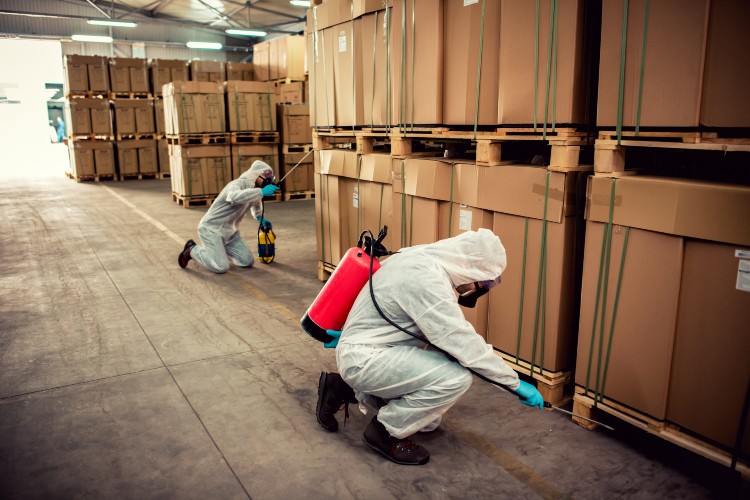
Can routine commercial pest control in Winnipeg help protect a business before insects or rodents become a costly problem? For restaurants, offices, warehouses, retail stores, healthcare facilities, and other commercial properties, prevention is often more practical than waiting for visible signs of an infestation.
Table of Contents
- Why Routine Pest Management Matters for Winnipeg Businesses
- Protecting Your Business Reputation
- Reducing the Risk of Property and Inventory Damage
- Routine Control Is More Effective Than Emergency-Only Treatment
- Different Businesses Need Different Pest Strategies
- Seasonal Pest Prevention in Winnipeg
- What Should Routine Commercial Service Include?
- Commercial and Residential Properties Require Different Planning
- Practical Ways Businesses Can Reduce Pest Risks
- Conclusion
Winnipeg businesses face pest pressures that can change with the seasons. Rodents may search for shelter as temperatures fall, while ants, flies, mosquitoes, wasps, and other insects can become more active during warmer months. A routine pest management program helps businesses identify risks early, reduce conditions that attract pests, and maintain cleaner, more comfortable spaces for employees and customers.
Why Routine Pest Management Matters for Winnipeg Businesses
Pest activity is not always obvious. Rodents may travel behind walls, insects can reproduce in hidden areas, and small entry points can allow pests to move into storage rooms, kitchens, utility spaces, or offices. Routine commercial pest control in Winnipeg takes a preventive approach. Rather than responding only after pests become visible, trained technicians can inspect vulnerable areas, monitor activity, identify access points, and recommend corrective measures.
Businesses can benefit from routine service by:
- Detecting pest activity before it spreads
- Identifying gaps, cracks, and other possible entry points
- Reducing food, water, and shelter sources
- Protecting inventory, equipment, and property
- Supporting cleaner working and customer-facing areas
- Maintaining records of inspections and treatments
- Reducing the likelihood of sudden pest emergencies
For many businesses, consistency is what makes a pest management strategy effective.
Protecting Your Business Reputation
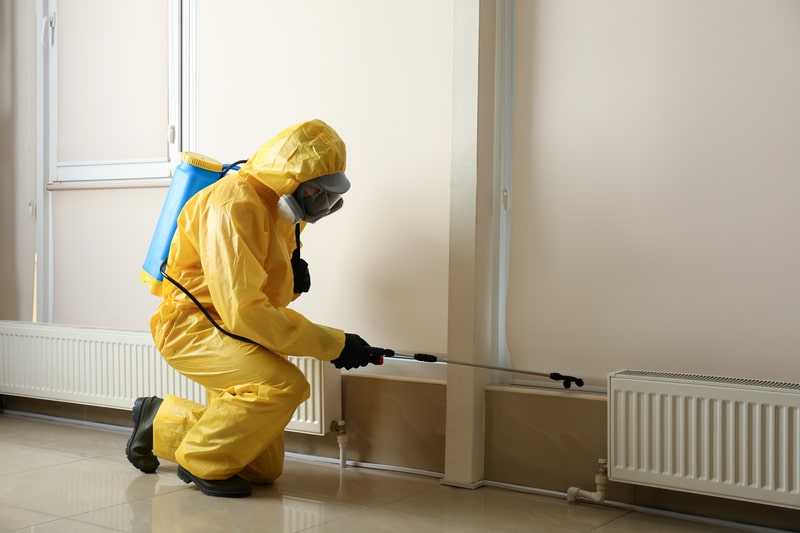
Customers often judge a business by its cleanliness and overall environment. Seeing a mouse, cockroach, ant trail, or other pest can quickly affect confidence in a restaurant, shop, office, or service facility. Routine pest control in Winnipeg lets businesses address vulnerabilities before customers notice a problem. This is particularly important for businesses that handle food, serve the public, store products, or operate in buildings with several tenants.
Online reviews and social media also make reputation management increasingly important. A single negative customer experience involving pests can become visible to a much larger audience. Working with an experienced pest control company in Winnipeg can help businesses maintain a more professional environment while creating a structured plan for prevention and monitoring.
Reducing the Risk of Property and Inventory Damage
Pests can create problems beyond appearance. Rodents may gnaw on packaging, insulation, building materials, or wiring. Insects can enter stored products, while nesting pests can create issues around exterior structures and high-traffic areas. Regular commercial pest control in Winnipeg helps identify concerns before damage spreads.
Businesses should also pay attention to conditions that encourage pest activity, including:
- Unsealed openings around doors and utility lines
- Overflowing or poorly secured waste containers
- Standing water and drainage problems
- Food debris beneath equipment
- Cluttered storage areas
- Damaged window or door screens
- Vegetation touching exterior walls
Correcting these conditions makes professional treatment more effective and supports long-term prevention.
Routine Control Is More Effective Than Emergency-Only Treatment
Waiting until pests are easy to see can allow an infestation to grow unnoticed. For example, the City of Winnipeg recommends reducing moisture, properly storing food and garbage, sealing cracks, and monitoring activity as part of long-term cockroach management. It also notes that repeat applications may be needed for successful control.
Routine pest control in Winnipeg helps businesses take a proactive approach by combining regular inspections, preventive measures, and targeted treatments. Rather than addressing pests only after they appear, businesses can identify and manage underlying issues such as entry points, nesting areas, excess moisture, poor sanitation, and outdoor conditions that attract unwanted pests.
Different Businesses Need Different Pest Strategies
No single treatment plan works equally well for every commercial property. A restaurant may need close monitoring around food preparation, waste, receiving, and storage areas. A warehouse may require greater attention around loading doors, pallets, exterior walls, and inventory. Offices may experience problems around break rooms, utility spaces, landscaping, and shared building areas.
The best pest control should therefore be based on the property, pest pressure, business activity, and surrounding environment rather than a generic treatment schedule. Local commercial services can address insects, mosquitoes, ants, spiders, ticks, wasps, hornets, rodents, wildlife, and pest exclusion, with programs adapted to different industries and property needs.
Seasonal Pest Prevention in Winnipeg
Winnipeg’s changing seasons make year-round awareness important.
Spring and Summer
Warmer conditions can increase activity from ants, mosquitoes, wasps, spiders, flies, and other insects. Businesses with patios, landscaping, entrances, waste areas, or outdoor customer spaces may experience greater exposure.
Fall
As temperatures drop, rodents and other pests may begin searching for protected spaces. Exterior gaps and poorly sealed entrances can become important access points.
Winter
Pest activity doesn’t necessarily disappear in cold weather. Heated commercial buildings can provide rodents and some insects with food, warmth, and shelter.
A qualified pest control company in Winnipeg can adjust inspections and preventive measures according to seasonal risks.
What Should Routine Commercial Service Include?
A strong program should involve more than applying products whenever pests appear.
Look for a service approach that includes:
- Property inspection: Checking interior and exterior risk areas.
- Pest identification: Determining which species or activity is present.
- Entry-point assessment: Finding potential access routes.
- Targeted treatment: Selecting methods appropriate for the situation.
- Monitoring: Watching for changes in pest activity.
- Documentation: Recording findings and completed work.
- Prevention recommendations: Helping staff reduce conditions that encourage pests.
- Follow-up: Revisiting problem areas when necessary.
Businesses in Winnipeg and other Western Canadian communities can access customized prevention and treatment options for different types of commercial properties through Buzz Boss, helping them manage pest concerns effectively.
Related Pest Control Articles for Winnipeg Property Owners
Winnipeg’s Boxelder Bug Problem Is Getting Worse. Here’s Why
Are Wasps Worse in Winnipeg This Year? What the Season Is Telling Us
Venomous vs. Non-Venomous Spiders in Winnipeg: Understanding the Differences
Pest-Proofing Your Winnipeg Yard: 15 Ways to Prevent Infestations
Pest Control 101: 8 Most Common Pests in Winnipeg
Commercial and Residential Properties Require Different Planning
Although some pests affect both homes and businesses, the management strategy can differ considerably. Residential pest control usually focuses on protecting living areas, yards, families, and household property. Commercial environments may involve larger buildings, food-handling requirements, storage areas, employee traffic, customer expectations, loading zones, or multiple operating schedules.
Still, many principles used in residential pest control also apply to businesses: remove attractants, seal access points, monitor vulnerable areas, and deal with pest activity early. Choosing the best pest control in Winnipeg ultimately means choosing an approach suited to the specific property, rather than relying on a one-size-fits-all solution.
Practical Ways Businesses Can Reduce Pest Risks
Professional treatment works best when businesses also maintain good prevention practices. Keep waste bins closed and emptied regularly. Clean spills promptly, rotate stored products, inspect deliveries when appropriate, and avoid leaving food exposed overnight. Repair dripping pipes and eliminate unnecessary standing water.
Outside the building, trim vegetation away from structures, keep loading areas clean, inspect door sweeps, and seal obvious gaps around pipes or cables. Staff should also know how to report sightings. Recording where and when pest activity occurs can help technicians identify patterns faster.
FAQs
How often should a business schedule professional service?
The right frequency depends on the property, industry, previous activity, surrounding environment, and risk level. Higher-risk sites may benefit from more frequent monitoring than low-risk office environments.
What are the first signs of a possible infestation?
Common warning signs include droppings, damaged packaging, unusual odours, nesting material, scratching sounds, insect activity, grease marks, or repeated sightings in the same area.
Can pests enter a clean commercial building?
Yes. Cleanliness reduces many attractants, but pests may still enter through deliveries, structural gaps, drains, loading areas, shared walls, landscaping, or neighbouring properties.
Should employees report individual pest sightings?
Yes. Even one sighting can provide useful information. Recording the location, date, time, and activity type can help professionals identify patterns and possible entry points.
Is prevention usually better than waiting for an infestation?
In most situations, early detection and prevention make problems easier to manage. Regular inspections can reveal conditions that might otherwise allow pest populations to become established.
Conclusion
Routine pest management is an important part of protecting a commercial property, not simply a response to an existing infestation. Scheduled inspections, monitoring, sanitation, exclusion, and targeted treatments can help businesses reduce pest pressure before it disrupts daily operations.
For local organizations, consistent commercial pest control in Winnipeg can help protect property, customer confidence, employees, inventory, and business continuity. Combining professional service with good sanitation and building maintenance creates a stronger long-term defence against seasonal and year-round pest risks.
Need dependable pest protection for a Winnipeg business? View Buzz Boss on Google Maps to check the local location and plan professional commercial pest management for your property.