


Paper roll-to-sheet cutting machines are essential pieces of equipment in industries such as printing, packaging, and manufacturing. These machines convert large rolls of paper into specific sheet sizes, ensuring high accuracy and efficiency in production processes. Whether you’re working in packaging, paper manufacturing, or graphic design, choosing the right machine can enhance productivity and cost-effectiveness.
Table of Contents
- What are Paper Roll to Sheet Cutting Machines?
- Key Components of a Paper Roll-to-Sheet Cutting Machine
- Benefits of Using a Paper Roll to Sheet Cutting Machine
- Factors to Consider When Choosing a Paper Roll to Sheet Cutting Machine
- Conclusion
What are Paper Roll to Sheet Cutting Machines?
A paper roll to sheet cutting machine is a specialized device that cuts large rolls of paper, plastic, or other materials into uniform sheets. These machines are designed to automate the cutting process, providing precision cuts at high speed. They are widely used in industries that require consistent sheet sizes, such as printing companies, packaging businesses, and industrial manufacturers.
Key Components of a Paper Roll-to-Sheet Cutting Machine
Understanding the components of these machines helps in evaluating their functionality and performance. Some of the critical components include.
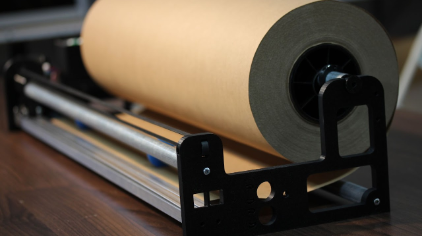
Roll Stand
The roll stand is a crucial component of any paper-cutting system, designed to securely hold large rolls of paper in place during operation. It is engineered to support the weight and size of the roll, ensuring stability and reducing the risk of movement that could disrupt the cutting process. Many roll stands feature adjustable arms or brackets to accommodate various roll sizes, enhancing their versatility. Proper alignment and support from the roll stand are essential for achieving precise cuts, making it an integral part of the setup.
Cutting Blades or Rotary Knives
Cutting blades or rotary knives are the primary tools responsible for executing the cutting operation in a paper processing system. These blades are typically designed for sharpness and durability, allowing for clean, efficient cuts without fraying or tearing the paper. Depending on the machine’s design, the blades can either move in a straight line or rotate, each offering distinct advantages for different cutting needs. Regular maintenance and sharpness of the blades are critical to ensure optimal performance and quality in the final cut sheets.
Feeding Mechanism
The feeding mechanism is vital for delivering the paper roll to the cutting blades with precision and consistency. It is designed to smoothly advance the paper at a controlled speed, ensuring that each segment is fed into the blades accurately for uniform cutting. Advanced feeding systems may include sensors to detect the paper’s position and make automatic adjustments as needed. This precision reduces waste and enhances the efficiency of the cutting process, making it a key element in achieving high-quality production.
Control Panel
The control panel serves as the operator’s interface for managing the cutting system, allowing for adjustments to settings such as sheet size and cutting speed. Operators can easily input desired parameters, facilitating quick adaptations to different job requirements without needing extensive downtime. Many modern control panels feature digital displays and touch controls for user-friendly navigation. Enhanced functionalities, such as programmable presets, can significantly streamline operations, making it easier to manage multiple cutting tasks efficiently.
Sheet Collectors or Stackers
Sheet collectors or stackers are essential for organizing the cut sheets once the cutting process is complete. These systems collect the finished sheets in an orderly manner, making it easier for operators to handle and transport them to the next stage of production. Some stackers are designed to accommodate varying sheet sizes, while others can automate the stacking process for increased efficiency. By ensuring that cut sheets are neatly organized, these components help maintain workflow continuity and reduce the risk of damage during handling.
Benefits of Using a Paper Roll to Sheet Cutting Machine
There are numerous benefits to incorporating a paper roll-to-sheet cutting machine into your workflow.
Increased Efficiency and Speed
Cutting machines are designed to significantly enhance operational efficiency and speed, minimizing the need for manual labor. By automating the cutting process, these machines can operate continuously, producing thousands of sheets per hour. This high throughput not only boosts productivity but also allows businesses to meet larger orders in shorter time frames. As a result, companies can scale their operations more effectively while reducing the time and resources spent on manual cutting tasks.
Precision and Consistency
One of the standout features of modern cutting machines is their ability to deliver unmatched precision and consistency in every cut. Each sheet is cut to the same dimensions, effectively eliminating the risk of human error that often occurs in manual processes. This level of accuracy is particularly critical in industries such as printing and packaging, where uniformity can impact product quality and brand reputation. By ensuring consistent results, these machines help maintain high standards, which can lead to increased customer satisfaction and loyalty.
Versatility in Materials
Modern cutting machines boast remarkable versatility, capable of handling a wide range of materials beyond just paper. They can efficiently cut plastic films, laminates, textiles, and more, making them adaptable to various industrial applications. This flexibility allows businesses to diversify their product offerings and enter new markets without needing separate cutting equipment for each material type. As a result, these machines serve as valuable assets across multiple industries, enhancing their overall utility and return on investment.
Cost-Effective
While the upfront cost of purchasing a cutting machine can be significant, the long-term savings they offer make them a wise investment. By reducing labor costs through automation, companies can allocate their workforce more efficiently and focus on higher-value tasks. Additionally, the precision of these machines leads to less material waste, further lowering operational costs over time. Ultimately, the combination of improved efficiency and reduced expenses contributes to a favorable return on investment, making cutting machines cost-effective in the long run.
Reduced Waste
One of the key advantages of automated cutting machines is their ability to minimize waste during the cutting process. With precise measurements and controlled operations, these machines ensure that only the necessary amount of material is used, reducing excess scrap. This efficiency not only conserves resources but also contributes to more sustainable production practices. By lowering material waste, businesses can enhance their overall environmental footprint, aligning with modern sustainability goals while also saving money on raw materials.
Factors to Consider When Choosing a Paper Roll to Sheet Cutting Machine
Selecting the right machine for your business can be challenging. Here are some factors to consider when making your choice.
Material Type and Thickness
When selecting a cutting machine, it’s crucial to consider the types and thicknesses of materials you’ll be working with. Different machines are specifically designed to handle varying thicknesses, which affects their performance and efficiency. For example, if your projects involve thicker materials like cardboard, a robust machine with strong cutting blades, such as a guillotine cutter, will be necessary. Choosing the right machine for the material type not only enhances cutting quality but also prolongs the life of the equipment.
Cutting Speed
Evaluating cutting speed is essential to meet your production requirements effectively. High-speed machines excel in large-scale operations where rapid output is critical to meet demand. Conversely, smaller businesses or those with lower production needs may not require such high throughput and could opt for machines with moderate speeds. Understanding your specific needs ensures you invest in a machine that balances performance with operational demands, optimizing both efficiency and cost-effectiveness.
Sheet Size Flexibility
Flexibility in sheet size is another important factor to consider when choosing a cutting machine. Some machines are engineered to cut specific sheet sizes, which can limit their versatility in different projects. In contrast, machines with adjustable settings allow operators to easily switch between various sheet sizes, accommodating diverse production needs. If your workflow involves regularly changing sheet sizes, opting for a machine with this flexibility can enhance efficiency and reduce downtime.
Automation and Control Features
Advanced automation and control features significantly enhance the usability and efficiency of cutting machines. Look for models equipped with touch-screen interfaces, which simplify operation and make adjustments easier. Additionally, features like pre-set cutting programs allow for quick configuration based on specific tasks, further streamlining the workflow. Remote monitoring capabilities can also provide valuable insights into machine performance, helping operators manage maintenance and troubleshoot issues effectively.
Maintenance and Durability
When selecting a cutting machine, prioritize durability and ease of maintenance to ensure long-term performance. Machines constructed from high-quality materials are less likely to experience wear and tear, ultimately saving costs on repairs and replacements. Regular maintenance is crucial for extending the life of the machine and maintaining optimal cutting performance. By choosing a model that is both durable and easy to maintain, you can minimize operational disruptions and enhance overall productivity.
FAQs
What materials can a paper roll-to-sheet cutting machine handle?
These machines can handle a wide variety of materials, including paper, plastic films, laminates, textiles, and sometimes even metals.
How do I maintain my paper roll to sheet cutting machine?
Regular maintenance involves cleaning the blades, lubricating moving parts, and checking the machine’s alignment to ensure precision. It’s also essential to replace worn-out components as needed.
Can these machines cut custom shapes?
While standard models are designed for straight cuts, specialized machines with advanced cutting mechanisms, such as laser cutters, can create custom shapes and patterns.
How much does a paper roll-to-sheet cutting machine cost?
Prices vary based on size, cutting mechanism, automation features, and the brand. Basic models can range from a few thousand dollars, while high-end models can cost upwards of $50,000.
How do I choose the best machine for my business?
Consider factors like the materials you work with, your required output speed, and the types of cuts you need. Consulting with machine manufacturers or distributors can also help you make an informed decision.
Conclusion
Paper roll-to-sheet cutting machines are invaluable for industries that require precise, high-speed cutting of materials into uniform sheets. By automating the cutting process, these machines significantly improve efficiency and accuracy and reduce waste. When choosing a machine, it’s important to consider your specific needs in terms of material, speed, and budget to ensure you select the right equipment for your operations.